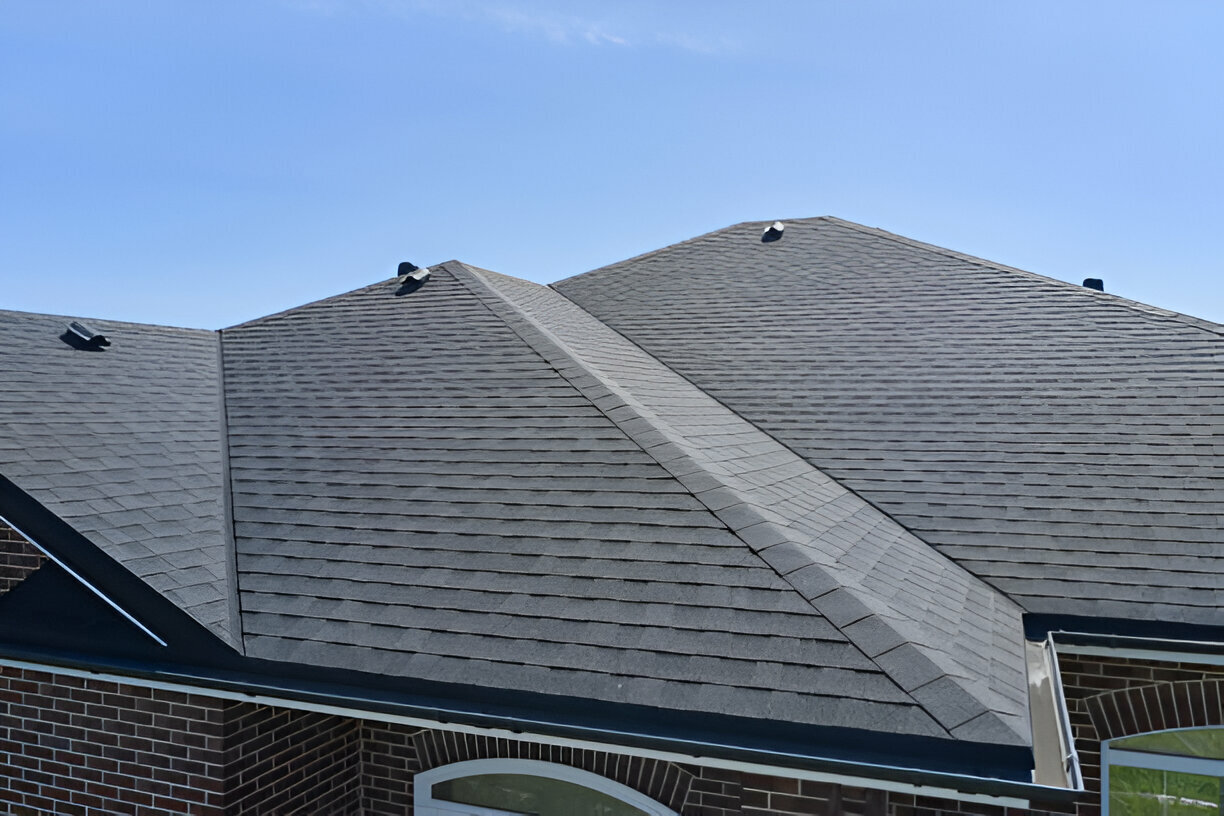

In Calgary, a clear summer afternoon can turn into a severe hailstorm any moment. Hail, strong winds and heavy rain can lead to damage to shingles, flashing, vents, gutters and other parts of your home’s exterior.
Scheduling a roofing inspection in Calgary before storm season can help to identify weak spots early and prevent minor issues from turning into expensive repairs.
The good news is that you do not have to wait for the next storm to find out whether your roof is ready. From choosing impact-resistant materials to maintaining shingles, gutters and roof edges, several practical steps can make your roofing system more resilient.
Calgary itself recommends maintaining roofs and to consider impact-resistant roofing materials as part of hail preparation.
Why Is Hail Such a Risk for Calgary Roofs?
Calgary sits in what the City describes as Canada’s “hail alley,” making hail a recurring threat for local house owners. Severe hail can damage roofing materials as well as siding, windows, doors and outdoor structures.
The problem is that not all hail damage is that it cannot be predicted.
A shingle may lose protective granules or develop bruising without immediately causing a visible leak. Wind accompanying a storm can also lift or loosen shingles, leaving vulnerable areas exposed to rain and moisture.
That means a roof that looks fine after a storm may still need closer attention.
1. Start With a per-storm Roof Inspection
The first step in hail-proofing your roof is understanding its current condition.
Look for signs of aging, loose or damaged shingles, exposed areas, deteriorated flashing and problems around vents and roof penetrations. Pay particular attention to areas that have already experienced repairs or previous storm damage.
You do not need to climb onto the roof yourself. A professional assessment is safer and can identify problems that are difficult to spot from ground level.
A per-storm inspection is especially useful if your roof is older or has already been exposed to several seasons of Calgary’s snow, wind, rain and temperature changes.
2. Consider Class 4 Impact-Resistant Shingles
If your roof is due for replacement, material selection can make a significant difference.
The City of Calgary recommends considering Class 4 impact-resistant shingles when replacing a roof. These products are designed to provide greater resistance to impact from hail compared with standard roofing materials.
Class 4 does not mean a roof is completely hail-proof. No conventional roofing system can guarantee protection against every storm.
Instead, impact-resistant materials are designed to better withstand the type of impact that can damage ordinary roofing products.
For Calgary homeowners planning a roof replacement, this makes impact resistance an important factor to discuss with a qualified roofing contractor.
3. Check the Roof’s underpayment
Shingles are only one part of a roofing system.
Underneath them, the roof deck and underpayment provide additional protection against moisture. Calgary’s climate-ready roofing guidance recommends appropriate underpayment and waterproofing measures as part of a resilient roofing system.
When replacing a roof, ask your contractor what type of underpayment will be installed and where it will be used.
Proper installation matters just as much as the material itself. A high-quality product cannot perform as intended if it is installed incorrectly or without following manufacturer requirements.
4. Strengthen Shingles Against Wind
Hail is not always the only threat during a storm.
Strong winds can lift shingle edges, damage roof components and allow rain to enter vulnerable areas. Calgary’s climate-ready guidance recommends additional fastening and properly installed roofing systems when replacing a roof.
Your contractor should check:
- Shingle fastening
- Roof edges
- Ridge caps
- Flashing
- Vents
- Valleys
- Drip edges
These areas can become weak points when materials age or installation issues develop.
5. Don’t Ignore Flashing, Vents and Roof Edges
Homeowners often focus only on shingles when thinking about hail protection.
However, the roofing system contains several other components that can be affected by severe weather.
Metal flashing, vents, drip edges and ridge components can be dented, loosened or damaged during a storm. Calgary’s climate-ready guidance specifically recommends high-wind-rated ridge and off-ridge vents because inadequately rated vents can be vulnerable during strong winds.
Before storm season, have these components checked as part of the overall roof assessment.
Replacing one compromised component before a storm may be much easier than dealing with water intrusion afterward.
6. Keep Gutters and Downspouts Clear
A hail-resistant roof still needs an effective drainage system.
Leaves, debris and accumulated material can block gutters and downspouts, preventing rainwater from moving away from the roof efficiently.
Before severe weather arrives:
- Clear leaves and debris from gutters.
- Check that downspouts are connected properly.
- Make sure water is directed away from the foundation.
- Look for sagging or damaged gutter sections.
- Check for loose connections.
The City of Calgary also recommends keeping gutters clear and directing downspouts away from the home as part of storm preparation.
7. Trim Trees Around Your Home
Hail is not the only thing that can damage your roof during a storm.
Weak or overgrown branches can break during strong winds and land on the roof. Branches rubbing against roofing materials can also contribute to wear over time.
Trim trees and shrubs around the property before storm season. The City recommends maintaining trees and shrubs to help limit damage from hail and wind.
If a large tree presents a potential hazard, consider having it assessed by a qualified professional rather than attempting major pruning yourself.
8. Secure Everything Around the Property
A storm can turn outdoor furniture, equipment and other loose items into hazards.
Before severe weather:
- Move patio furniture indoors where possible.
- Secure trampolines and other large outdoor equipment.
- Store loose garden tools and decorations.
- Park vehicles in a garage or covered area if available.
These steps may not protect the roof itself from direct hail impact, but they can reduce the risk of additional property damage during high winds.
9. Know the Signs of Hail Damage
Even with preparation, your roof can still be damaged by a severe storm.
After hail passes and conditions are safe, inspect the property from ground level. Look for:
- Missing or lifted shingles
- Damaged or displaced ridge caps
- Excessive granules around gutters or downspouts
- Dents in metal vents or flashing
- Damaged siding
- Cracked or broken exterior components
Do not climb onto a wet or damaged roof to investigate it yourself. A professional inspection can provide a safer and more detailed assessment.
If you discover storm damage, take photographs before repairs begin and contact your insurance provider if a claim may be necessary. The City of Calgary recommends documenting damage and contacting your insurer after a hailstorm.
10. Choose the Right Roofing Contractor
Hail-proofing is not only about buying stronger shingles. Installation quality matters.
When choosing a Calgary roofing contractor, ask about:
- Experience with hail-resistant roofing
- Recommended roofing materials
- Manufacturer installation requirements
- underpayment and ventilation
- Roof-edge protection
- Warranty coverage
- Licensing and insurance
The City of Calgary advises house owners to verify that contractors have a valid business license and provides resources for finding approved roof inspectors.
Those who are planning a repair or replacement, working with an experienced local contractor can make things easier. For example from choosing materials and installation methods suited to Calgary’s weather.
Build a More Storm-Ready Roof Before the Storm Arrives
We know that we cannot control when the next Calgary hailstorm arrives, but we sure can control how prepared your roof is.
Start by assessing its current condition. Address damaged or aging components, keep gutters and surrounding trees maintained, and consider Class 4 impact-resistant shingles when it is time for a replacement. A properly installed roofing system with suitable materials, secure components and effective water protection can provide better resilience against Calgary’s demanding weather.
For house owners who want to prepare and identify weak points before the next storm, it is wise to check with a professional Roofing inspection Calgary service. An experienced local contractor such as Domiark Construction can help you understand whether your roof needs maintenance, repairs or a complete replacement. Domiark provides residential and commercial roofing services in Calgary, including repairs, replacements and installations designed for Alberta weather. Connect with us to examine for any fix and let’s be prepared for any climate.