
One of the most significant components of your dwelling is its covering. Roofs can be subjected to an incredible amount of exertion over a period of time due to heavy snowfall, prevalent hailstorms, intense winds, and extreme variations between the warm and cold temperatures that often occur in Calgary during one winter season. Eventually, even the sturdiest roofs will start to show signs of deterioration, when repair work is no longer sufficient.
Ultimately, the only option left as roofing material deteriorates is replacing your existing roof with an entirely new one.
Most homeowners don’t really know what goes into replacing their roof is stress free if you fully understand the roofing replacement processes. Selecting a quality roofing replacement company that specializes in providing professional roof replacement in Calgary services makes sure that your roof repair will be done properly and safely and follows the building codes of your local area.
This blog explains the complete roof replacement process step by step so Calgary homeowners know exactly what to expect.
Why Roof Replacement Matters in Calgary
Calgary weather can be unpredictable. Hailstorms, freeze-thaw cycles, and strong winds can damage shingles, flashing, and roof decking. Even small roofing issues can turn into expensive structural problems if they are ignored.
A properly installed roof offers:
- Better protection against weather
- Improved energy efficiency
- Increased property value
- Better insulation during winter
- Long-term peace of mind
A roof replacement is not just about appearance. It is also about protecting your home.
Step 1: Initial Roof Inspection
Every roof replacement project starts with a professional inspection. Roofing experts examine the condition of your current roof to determine whether replacement is necessary. During the inspection, contractors look for:
- Missing or cracked shingles
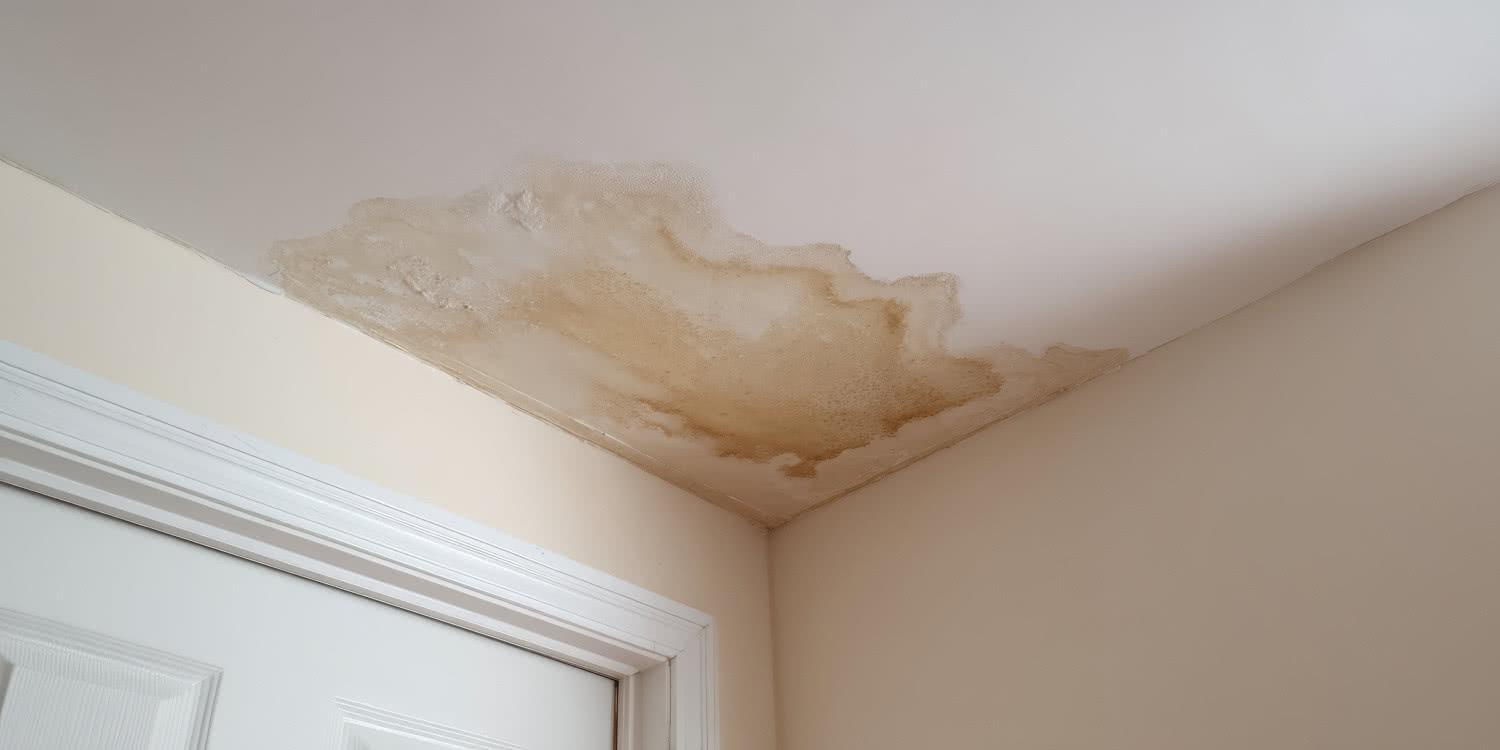
- Water damage
- Mold or rot
- Leaks
- Damaged flashing
- Ventilation issues
- Structural concerns
They also inspect the attic and roof decking to identify hidden problems. A detailed inspection helps in creating an accurate estimate and avoids surprises during the installation.
Step 2: Estimate and Material Selection
Once the inspection is complete, house owners receive a detailed estimate including the amount of roofing cost. This also includes labor costs, material costs, timelines, warranty details, and cleanup information.
At this stage, homeowners also choose roofing materials. Popular roofing options in Calgary include:
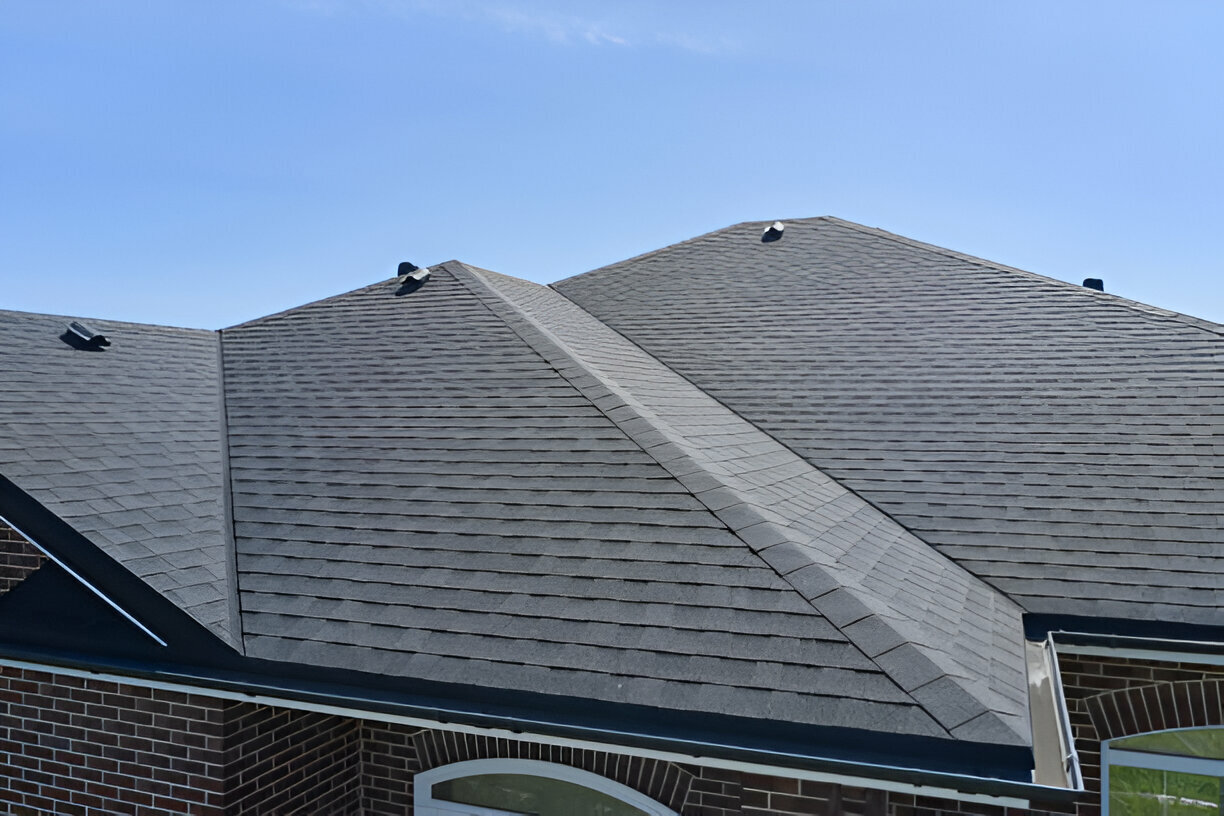
- Asphalt shingles
- Architectural shingles
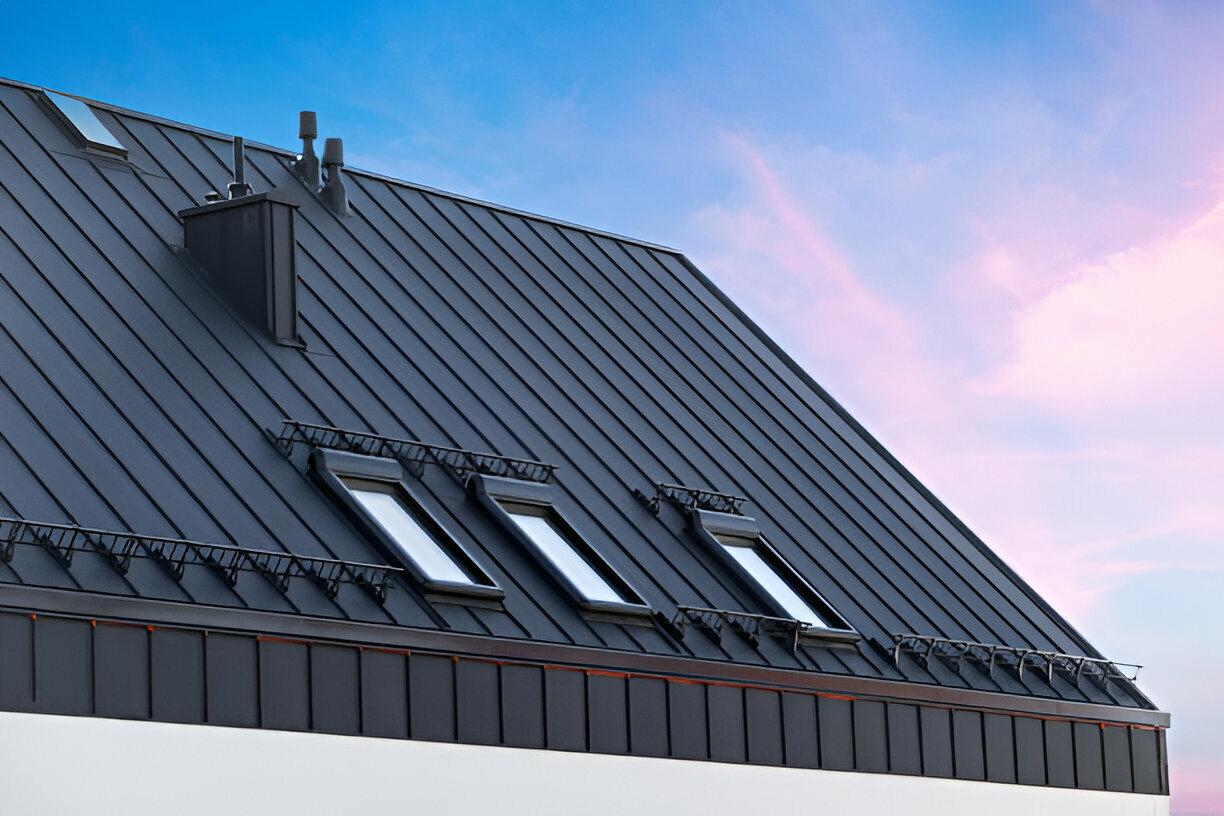
- Metal roofing
- Rubber roofing
Asphalt shingles remain one of the most common choices because they are durable, affordable, and suitable for Calgary’s climate.
Contractors may also help homeowners select colors and styles that match the appearance of the home.
Working with experts in professional roof replacement Calgary projects make sure the materials are selected based on weather resistance, ventilation needs, and long-term durability.
Step 3: Scheduling and Preparation
Before work begins, the roofing company schedules the installation date and prepares the property. Preparation is important for both safety and efficiency.
Homeowners are usually advised to:
- Move vehicles away from the driveway
- Protect fragile items inside the house
- Cover attic belongings
- Keep pets indoors
- Inform neighbors about the project
Roofing crews also prepare the site by placing dumpsters, safety equipment, and protective coverings around landscaping and exterior surfaces.
Professional roofing contractors use tarps and plywood to protect gardens, windows, siding, and outdoor furniture during the replacement process.
Step 4: Removing the Old Roof
The next step is tearing off the old roofing materials. Contractors remove shingles, underlayment, nails, flashing, and damaged components.
This stage can be noisy and messy, but it is necessary to expose the roof deck underneath. Removing old materials allows contractors to inspect the structure properly and make sure the new roof is installed on a solid foundation.
Professional crews dispose of debris carefully using dumpsters and cleanup systems to keep the property safe and organized throughout the project.
Step 5: Roof Deck Inspection and Repairs
Once the roof is stripped down, contractors inspect the decking carefully. The decking acts as the structural base of the roof.
If any wood is damaged due to moisture, rot, or aging, it must be repaired or replaced before installation continues.
Skipping this step can reduce the lifespan of the new roof and lead to future leaks or structural issues. Roofing experts consider deck inspection one of the most important parts of the replacement process because the quality of the final roof depends heavily on the condition of the base underneath.
Step 6: Installing Underlayment and Ice Protection
After the deck is repaired, contractors install protective layers that help prevent moisture damage.
These materials usually include:
- Ice and water shield
- Synthetic underlayment
- Drip edge protection
In Calgary, ice and snow buildup can create ice dams that lead to leaks. Ice and water shields provide additional protection in vulnerable areas like valleys, eaves, and around vents.
Underlayment acts as a secondary moisture barrier beneath the shingles and improves the overall durability of the roofing system.
Step 7: Installing Flashing and Ventilation
Flashing is installed around chimneys, skylights, vents, and roof intersections. Proper flashing prevents water from entering weak points in the roof.
Roof ventilation is also upgraded during this stage. Good ventilation helps regulate attic temperature, reduce moisture buildup, and improve energy efficiency.
Proper airflow is especially important during Calgary winters because trapped moisture can damage insulation and roofing materials over time.
Step 8: Installing the New Roofing Material
This is the stage where the roof starts to look complete. Contractors install shingles or other selected roofing materials according to manufacturer guidelines and local building codes.
Starter strips are installed first, followed by the main roofing materials. Contractors make sure the proper alignment, fastening, and sealing to improve durability and wind resistance.
Experienced roofing professionals pay close attention to detail during installation because improper placement can shorten the lifespan of the roof and affect warranty coverage.
Step 9: Final Inspection and Cleanup
Once installation is complete, the roofing team performs a final inspection to make sure everything meets quality standards.
This inspection includes checking:
- Shingle alignment
- Flashing installation
- Ventilation systems
- Seal integrity
- Overall workmanship
Cleanup is also a major part of the process. Professional crews remove debris, sweep for nails using magnetic tools, and clear gutters and surrounding areas.
A reliable contractor leaves the property clean and safe after the project is completed.
How Long Does Roof Replacement Take?
Most residential roof replacement projects take between one and three days, depending on:
- Roof size
- Weather conditions
- Roof complexity
- Material type
- Structural repairs needed
Unexpected weather delays are common in Calgary, especially during colder seasons.
Choosing the Right Roofing Contractor
Hiring the right roofing company is essential for a successful project. Homeowners should look for contractors who offer:
- Proper licensing and insurance
- Experience with Calgary weather conditions
- Material warranties
- Clear estimates
- Positive customer reviews
- Safety-focused practices
Experienced contractors understand local building codes and know how to install roofing systems that can withstand Calgary’s harsh climate.
Conclusion
Replacing a roof is a major investment, but understanding the process makes it easier to plan and prepare. From the initial inspection to the final cleanup, every step plays a role in protecting your home and improving long-term durability.
Working with a trusted contractor for professional roof replacement in Calgary services makes sure your roofing system is built to handle Calgary’s changing weather conditions while improving the comfort, safety, and value of your property.
A professionally installed roof provides more than just protection. It gives homeowners confidence knowing their home is secure throughout every season.