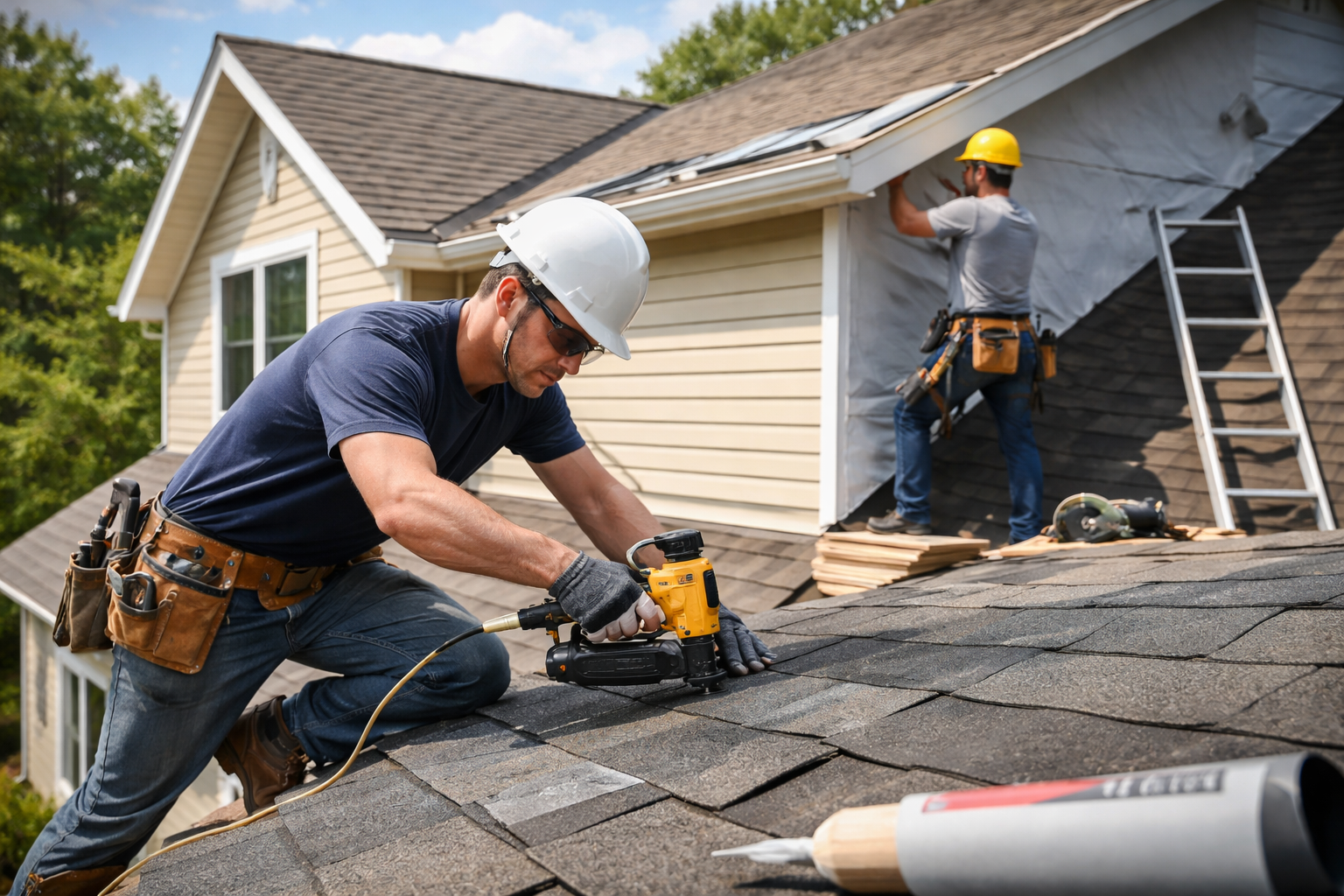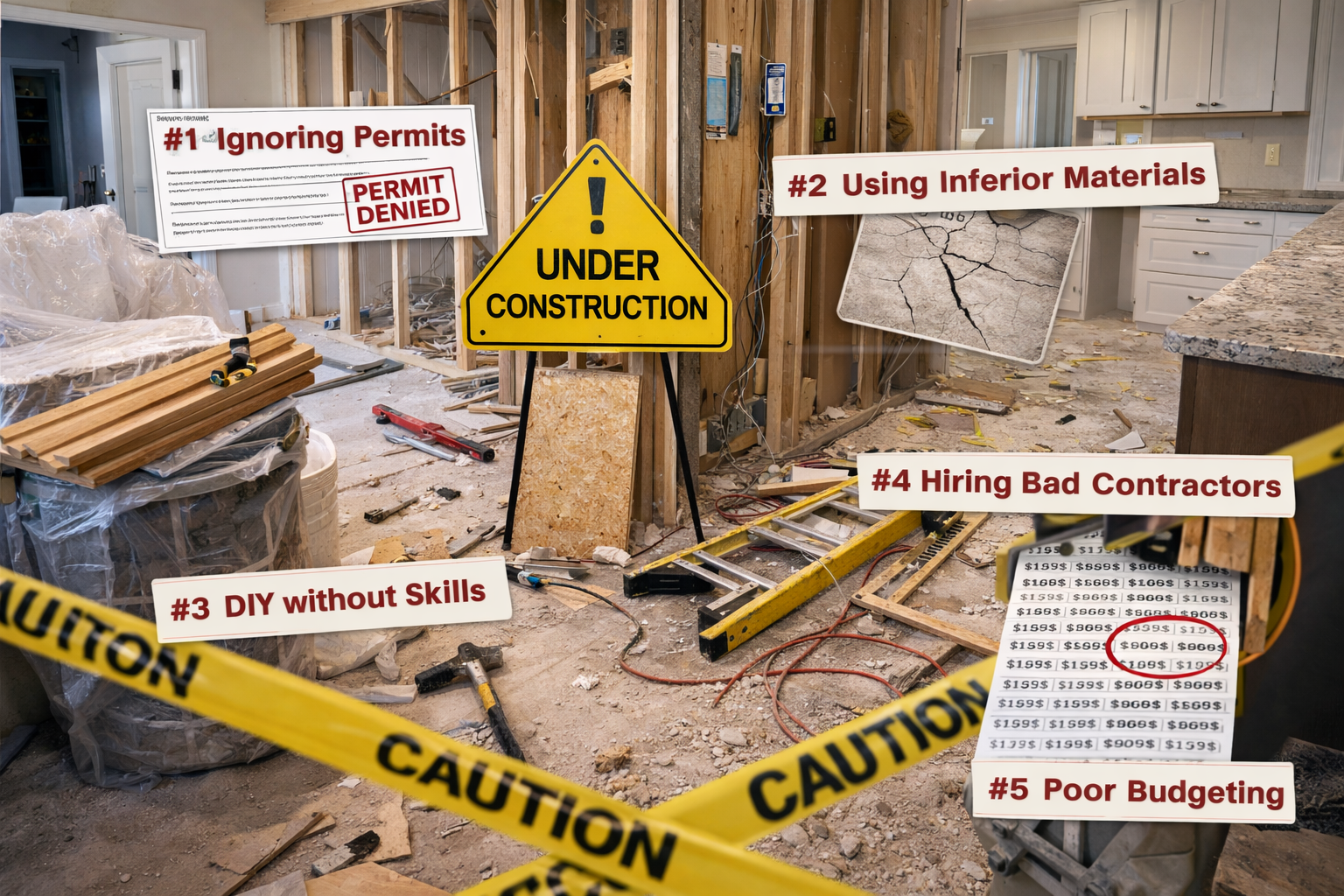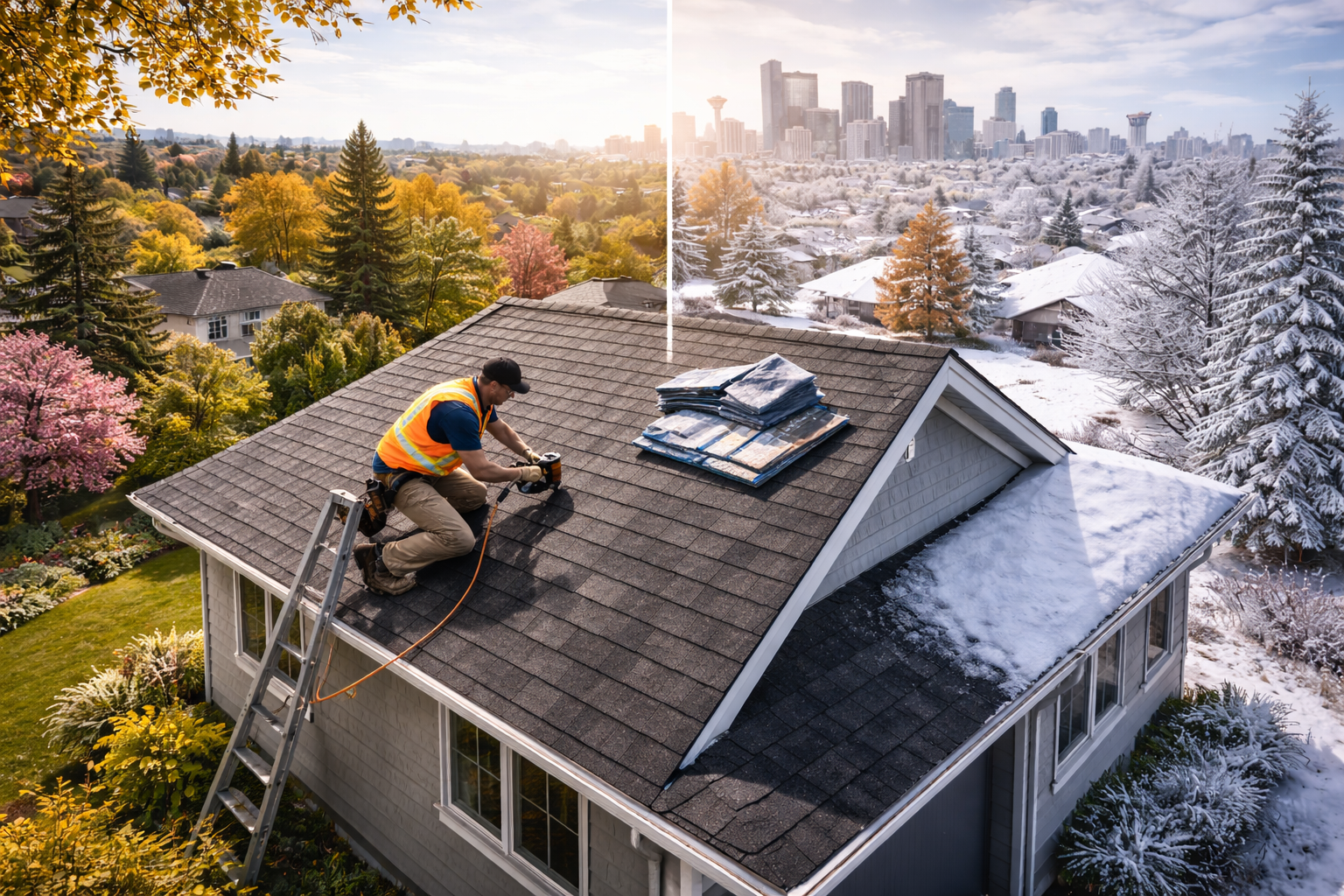
Protecting your home from the elements is crucial to maintaining its structural integrity and value. Weatherproofing, particularly focusing on roofing and siding, ensures your home stays safe and comfortable regardless of the season. Here are essential tips to weatherproof your home effectively:
-
Inspect Your Roof Regularly
Your roof is your home’s first line of defense against weather. Regular inspections help identify potential issues, such as loose shingles, leaks, or debris buildup, before they escalate into costly repairs. Ideally, inspect your roof twice a year—in the spring and fall—and after major storms. Look for signs of wear, such as cracked or curling shingles, and address them promptly.
-
Choose Durable Roofing Materials
Investing in high-quality roofing materials can make a significant difference in weatherproofing your home. Materials like metal, asphalt shingles, or slate are designed to withstand harsh weather conditions. Consider factors such as wind resistance, longevity, and your region’s climate when selecting roofing materials. Modern options often include UV-resistant coatings and advanced insulation properties.
-
Ensure Proper Roof Ventilation
Proper ventilation is key to preventing moisture buildup in your attic, which can lead to mold and rot. Ensure your roof has adequate vents to allow airflow and regulate temperature. This not only protects your roofing materials but also improves energy efficiency by reducing cooling and heating costs.
-
Maintain and Upgrade Siding
Siding acts as a protective barrier for your home’s exterior walls. Over time, it can become damaged or worn. Inspect your siding regularly for cracks, warping, or loose panels. Replacing old siding with weather-resistant materials, such as fiber cement, vinyl, or engineered wood, enhances your home’s durability and aesthetic appeal. Opt for siding with high insulation values to improve energy efficiency.
-
Seal Gaps and Cracks
Small gaps and cracks in your siding or roofing can let in moisture, pests, and cold air. Use weatherproof caulk or sealant to close any visible openings. Pay special attention to areas around windows, doors, and vents. Regular maintenance prevents water intrusion and helps maintain a comfortable indoor environment.
-
Install Gutter Guards
Clogged gutters can cause water to pool on your roof or near your home’s foundation, leading to significant damage. Install gutter guards to keep debris out and ensure proper water flow. Regularly clean gutters and downspouts to prevent blockages and extend their lifespan.
-
Add a Protective Coating
Consider applying a weather-resistant coating to your siding and roof. These coatings create a barrier against water, UV rays, and temperature fluctuations, extending the life of your materials. Ensure the coating is compatible with your roofing and siding materials for optimal protection.
-
Plan for Extreme Weather
If you live in an area prone to severe weather, take extra precautions. Reinforce your roof with hurricane straps, and choose impact-resistant siding. Ensure your home’s design allows for adequate drainage to prevent water from pooling around the foundation.
Conclusion
Weatherproofing your home’s roofing and siding is a proactive investment that saves you money and stress in the long run. By inspecting, maintaining, and upgrading these critical components, you can shield your home from the elements and enjoy a safe, comfortable living space year-round. Take these tips to heart and consult with professionals to ensure your weatherproofing efforts are effective and long-lasting.