“Replacement cost” essentially means restoring your roof to its pre-loss condition, using materials of similar kind and quality, without deduction for depreciation (depending on your policy). In Calgary’s weather-extreme environment, accurate replacement cost matters:
- Make sure your policy supports replacement-cost coverage rather than just actual-cash-value (which deducts depreciation).
- A professional contractor can help you estimate the true cost of restoration in current market conditions (materials, labour) rather than relying on outdated quotes. For example, one Calgary contractor mentions that they keep their quote software aligned with insurer pricing to ensure accuracy.
- If your roof is old (near end of lifespan) and damaged, insurers may reduce settlement based on age and condition (i.e., less depreciation benefit). One guide warns that older roofs may only qualify for “partial claim” value.
Contact Us
Avoiding Storm-Chaser Scams
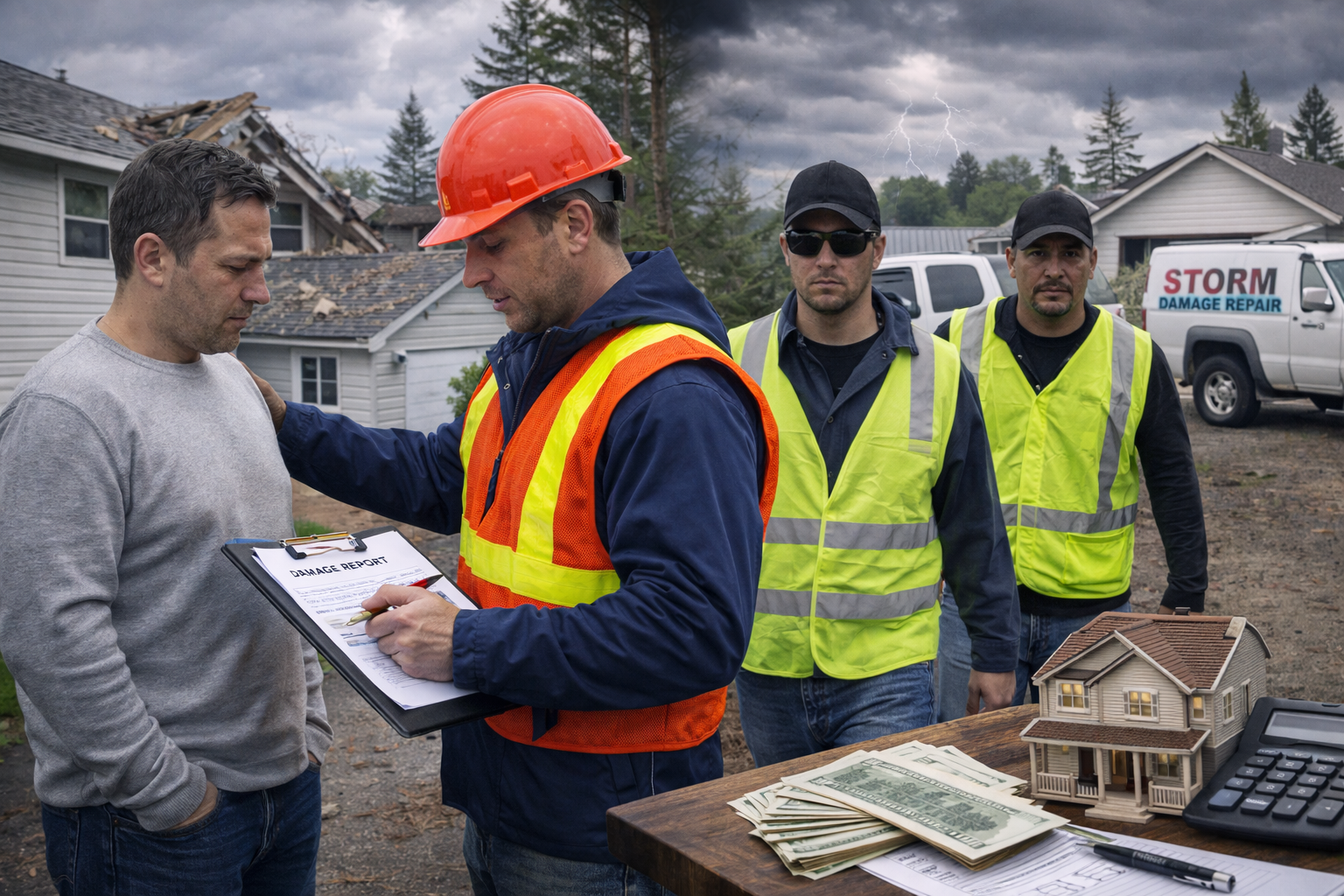
After large storm events in Calgary, opportunistic contractors (“storm-chasers”) may show up, offering too good to be true deals or pressuring homeowners into quick decisions. To protect yourself:
- Verify the contractor’s business licence with the City of Calgary (call 311) and check whether they have been disciplined or have complaints.
- Check for certifications, e.g., HAAG hail & wind damage inspection, material manufacturer certifications, BBB ratings. One Calgary firm advertises HAAG-certified inspectors.
- Get written references and reviews from previous storm-damage clients.
- Avoid signing large contracts before your claim is approved or before your insurer has assessed damage — you don’t want to pay for work the insurer later denies.
- Don’t allow the contractor to manage the claim exclusively without you being informed — you remain responsible for the claim.
- Watch for high-pressure tactics: “sign now”, “guaranteed full payout”, “deductible waived”. While some contractors may legitimately assist with deductible issues, you should verify.
- Ensure you get a detailed contract, warranty document, scope of work, timeline — don’t rely on verbal promises.

Choosing the Right Contractor
Here are key criteria for selecting the roofing contractor who will assist with your insurance claim in Calgary:
- Local expertise: firm familiar with Calgary’s specific weather risks (hail, wind, snow) and the local insurance‐claims environment.
- Experience with insurance claims: they should have a track record of assisting clients in claims, submitting documentation, dealing with adjusters.
- Licensed and insured: check they hold proper licence (City of Calgary business licence), carry liability insurance and workers’ compensation coverage.
- Certified inspectors: conceptually, being HAAG-certified for hail/wind damage inspection is a plus.
- Transparent about cost, scope, timing and warranty: you should receive a written estimate, contract, material specs, and warranty details.
- Good references and reputation: check reviews and ask for completed work examples especially related to storm damage & insurance.
- They can assist you in the full process from inspection, through claim submission, to final completion — this reduces homeowner stress and helps ensure nothing is omitted.
Getting Professional Help with Your Storm Damage Insurance Claim in Calgary
Here’s a recommended step-by-step approach tailored to homeowners in the Calgary region:
- After the storm: As soon as you suspect roof or exterior damage (hail, wind, falling debris) call your home insurance provider and report a potential claim. The City of Calgary advises before doing repairs, contact your insurer.
- Engage a professional roofing contractor: Choose a local, reputable contractor experienced in insurance claims. Ask for an inspection to document damage.
- Contractor’s inspection and documentation: The contractor visits, conducts a detailed inspection, takes photos, drafts a damage report and estimate compatible with insurance submission.
- Submit claim and insurer’s adjuster visits: With documentation in hand, work with the insurer’s adjuster; the contractor may accompany the adjuster or be available to answer technical questions.
- Claim review and settlement negotiation: The contractor can help you review the insurer’s proposed settlement, identify any missing items (“supplements”), and if necessary request additional funding based on overlooked damage.
- Approve scope and begin repairs: Once settlement is approved, you choose your contractor and scope begins. The contractor completes the work to code, using materials agreed.
- Final documentation and warranty: After completion, you receive final invoices, warranty information, completion photos, and then submit final documents to your insurer (if required).
- Maintain records: Keep the files — inspection report, claim documents, contractor invoices and warranty — for future reference (resale, future claims, warranty claims).
- Monitor for future issues: After storm damage/repair, stay vigilant for leaks, granule loss, flashings, etc. Good contractors will offer follow-up inspections or warranty service.
Because Calgary faces frequent hail and wind storm activity, making sure you deal with the claim promptly and professionally is especially important — as one data report notes: insured storm-damage losses in Alberta are in the billions.