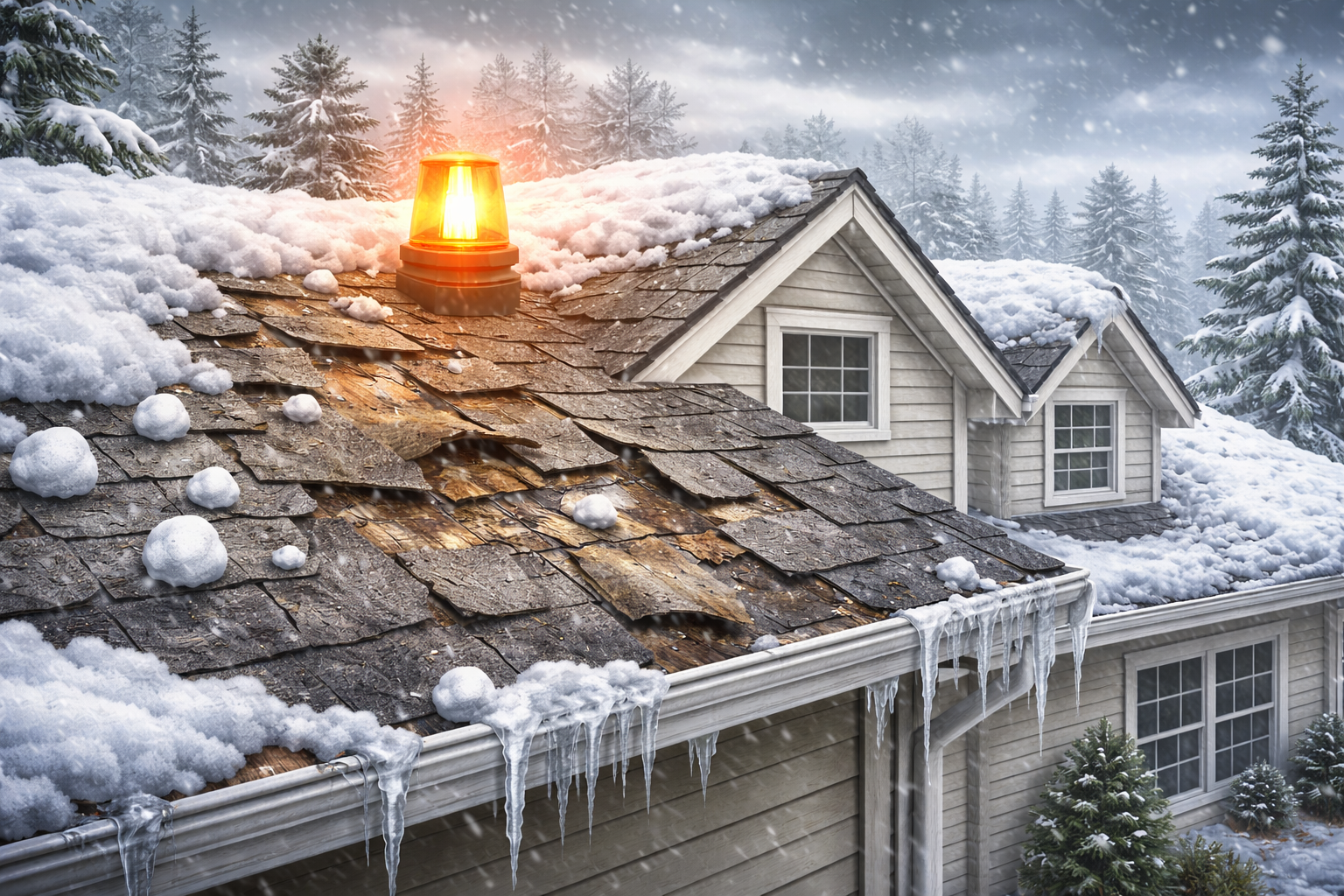
When a severe storm hits in the Calgary area with hail, wind, or heavy rain, the aftermath for your roof can be
daunting. In fact, the region around Calgary lies within Canada’s so-called “Hailstorm Alley,” an area known for
frequent, damaging hailstorms.
Homeowners may find themselves facing a major insurance claim, and navigating that process without professional
help can lead to delays, inadequate settlements, or even voided coverage. Engaging a capable, experienced roofing
contractor can make a significant difference. Below is a detailed breakdown of how and why.
Why Professional Roofing Contractors Are Essential for Insurance Claims in Calgary?
In Calgary and the surrounding region, severe weather events can lead to roof damage that goes beyond what a
casual inspection might reveal. Official guidance from the City of Calgary emphasises that before you undertake any
repairs, you should contact your home-insurance provider and ensure your contractor is properly licensed.
Here’s why a professional contractor is key:
-
Technical expertise in damage assessment:
A professional contractor experienced with storm-damage claims knows how to identify hail- and wind-related damage (e.g., granule loss, dented flashings, cracked shingles) that might be overlooked. For example, one Calgary contractor reported that their certified inspectors often catch damage that a homeowner or untrained adjuster might miss.
-
Insurance-claim knowledge:
Contractors who regularly work on insurance-related jobs understand how adjusters think, what documentation they expect, and how to present damage so that the claim stands a better chance of approval. For instance, they will help you document, quote, and coordinate with the insurer.
-
Proper licencing and regulatory compliance:
In Calgary, any contractor should hold a valid City business licence. The City warns that hiring an unlicensed contractor could lead to problems, including potential licence revocation.
-
Advocacy for the homeowner:
Since you (the homeowner) have the right to choose your contractor, a good professional roofing company acts on your behalf, helping you avoid being steered into a sub-par vendor or one that represents the insurer’s interests. -
Quality workmanship tied to insurance settlement:
Ensuring that the work completed meets insurer standards (and building code) helps avoid future issues and protects the value of your claim.
How Contractors Document Storm Damage for Maximum Coverage?
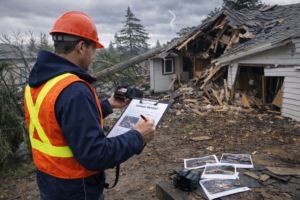
One of the most critical phases of the claim process is the documentation of damage. Without an accurate,
comprehensive record, you run the risk of having overlooked items, reduced coverage, or having to pay out of pocket
pocket later.
Here’s how a professional roofing contractor in Calgary should help you:
-
Initial inspection with thorough photographic documentation
The contractor will inspect your roof (and potentially other exteriors like siding, gutters, soffits) following a storm — ideally as soon as possible. They’ll capture high-resolution photos of hail impacts, granule loss, dented vents, damaged shingles, evidence of wind lift, etc. As one Calgary firm explains, hail damage may not always be visible from the ground, so a detailed inspection is crucial.
-
Written damage report referencing storm date and local weather
They’ll help you establish the “date of loss” (the storm event) and tie the observed damage to that event. Documentation that the storm was severe and caused damage helps strengthen the claim. For example, the industry notes that many insurers use thresholds (wind speed, hail size) to determine coverage eligibility.
-
Quote tailored for insurance-submission format
The contractor will prepare a quote or estimate that aligns with insurance expectations: itemised, clear, referencing required repairs or full replacement, compatible materials, and labour. Some contractors in Calgary mention they use the same quoting software that insurers use to ensure the pricing aligns.
-
Liaison with the adjuster
A professional contractor helps guide or accompany the insurance adjuster’s inspection, ensuring all damage is noted and that there’s no miscommunication about the scope. The goal: no surprises in the approved settlement vs the actual repair needed.
-
Supplemental documentation or claim revision
If damage is missed initially, a contractor can assist you in submitting “supplements” (additional claim items) to ensure full coverage. Some Calgary contractors indicate they have helped clients recover several thousand extra dollars by identifying overlooked damage.
-
Final documentation for insurer and homeowner file
After work is completed, the contractor will deliver final invoices, warranties, photos of completed work, and help you submit these to the insurer. This helps protect you from future disputes and ensures your claim is fully documented.
Maximising Your Insurance Settlement and Avoiding Common Pitfalls
Getting the maximum settlement you’re entitled to while avoiding common mistakes is where a professional
contractor becomes especially valuable. Here are important tips and pitfalls:
Tips for Maximising Settlement
- Act quickly but sensibly: As soon as you suspect storm damage, contact your insurer and engage a contractor. Some policies require you to start within certain timeframes. For example, one Calgary contractor says most insurers allow 12 to 24 months for filing storm/hail damage claims.
- Document everything yourself, too: In addition to the contractor’s photos, take your own photos (before/after) of the roof and surroundings. Note the date/time, weather conditions, and any visible damage (e.g., granules in gutters, dents in metal).
- Understand your policy: Ask your broker or insurer what your deductible is, whether depreciation applies, whether you have replacement-cost coverage or actual-cash-value, and whether you have to use certain vendors.
- Choose your own contractor: In Albert, you are usually not required to use the insurance company’s preferred contractor. You may choose your own – having a reputable, local pro can strengthen your position. For example, one Calgary contractor states clearly that you “are within your rights” to choose your vendor.
- Ensure full scope coverage: Storm damage isn’t always just cosmetic. Hidden damage (under shingles, in flashings, in ventilation) may lead to leaks or structural issues later. A skilled contractor will anticipate and capture this in the claim.
- Keep track of timing and deadlines: Once approved, many insurers expect repairs to be completed within a certain period. Delays can lead to reduced payouts or denied claims. For example, the City of Calgary warns that work should proceed promptly.
Common Pitfalls to Avoid
- Waiting too long to file or start repairs: If the storm damage is reported late, the insurer may disagree that the damage arises from the storm, orthe claim may be treated as wear & tear.
- Using an unlicensed or fly-by contractor: This can lead to sub-standard work, no warranty, potential licence issues and maybe even invalidation of your claim. The City warns homeowners to check the contractor’s licence.
- Accepting a “cash-out” and doing minimal repairs: Some policies allow cash payment instead of repairs, but if you don’t follow through with full restoration, future damage may not be covered, and you may lose protection. One Calgary firm notes this risk clearly.
- Overlooking hidden or adjacent damage (siding, metals, flashings, gutters): Focusing only on visible roof shingles but missing supporting parts can result in incomplete repairs and future problems.
- Letting the insurer dictate your choice of materials: If you accept inferior materials or lower-quality repairs, your home’s value and protection may suffer. Make sure the contractor uses insurance-approved materials and stands behind their work.
Assuming premiums will automatically increase: Many homeowners worry about premium increases after a claim.
According to one Calgary contractor, for weather-related events, premiums do not always rise — but you should
verify with your insurer.